

Breathing Safe: Optimizing Government Building IAQ for Public Health
Updated: Jul 9, 2024

Amidst the bustling corridors of government buildings, the air we breathe is an invisible lifeline that threads through our daily lives. In these public spaces, Indoor Air Quality (IAQ) transcends mere comfort, becoming a guardian of health and a silent steward of well-being. At Blade Air, we recognize the pivotal role IAQ plays in safeguarding public health. Our commitment to advancing IAQ solutions for government buildings reflects an understanding that clean air is the cornerstone of a thriving community.
Why IAQ Matters in Government Buildings
Based on recent initiatives and research, it's clear that maintaining high Indoor Air Quality (IAQ) is crucial for public health, especially in government buildings which are frequented by the public and employees alike. The U.S. Environmental Protection Agency (EPA) underlines that IAQ refers to the quality of air within and around buildings, particularly concerning the health and comfort of occupants. The following factors illustrate why government buildings must prioritize and manage indoor air quality effectively. It's not only about compliance or creating a comfortable working environment; it's also about setting a standard for public health and safety practices:
1. Health and Safety of Occupants:
Government buildings are high-traffic areas frequented by public employees, visitors, and officials, and since IAQ significantly affects the health of building occupants, poor IAQ has been linked to a variety of health issues including respiratory diseases, heart disease, and even cancer.
These health effects can manifest from exposure to common indoor pollutants such as radon, carbon monoxide, and volatile organic compounds, which can be found in higher concentrations indoors compared to outdoor environments. Maintaining high IAQ standards helps mitigate these health risks, especially for vulnerable groups such as children, the elderly, and those with pre-existing health conditions. Ensuring good IAQ helps protect the health and enhances the safety of everyone who uses these facilities.
2. Productivity and Performance:
Numerous studies, including those from the Environmental Protection Agency (EPA), have shown that poor IAQ can decrease productivity due to increased illness and decreased cognitive function among occupants. Improved air quality can lead to better employee focus, higher productivity, and reduced absenteeism, which is crucial in workplaces including government buildings where decisions and services impact public life.
3. Legal and Regulatory Compliance:
Government entities are obligated to comply with occupational health and safety regulations, which include maintaining acceptable IAQ levels. This compliance helps avoid legal liabilities and ensures that workplace standards meet regulatory requirements.
4. Energy Efficiency and Cost Savings:
Optimizing IAQ often involves upgrading HVAC systems and improving building ventilation, which can lead to significant energy savings and operational cost reductions. Efficient systems not only manage air quality but also consume less energy, supporting sustainability goals.
5. Public Trust and Image:
Government buildings are symbolic and functional assets of governance. Maintaining high standards of IAQ reinforces the commitment of government bodies to public welfare and environmental stewardship, thereby enhancing public trust and confidence.

The Link Between IAQ and Public Health
The link between IAQ and public health is significant, rooted in how the air quality within indoor environments affects the health, comfort, and well-being of building occupants. Understanding this link involves examining several key aspects:
1. Immediate Health Effects:
Poor IAQ can cause immediate discomfort such as headaches, dizziness, fatigue, and irritation of the eyes, nose, and throat. These symptoms can often be mistaken for other illnesses, leading to misdiagnosis or underestimation of the air quality impact.
2. Long-term Health Risks:
Chronic exposure to poor indoor air can lead to serious health conditions such as respiratory diseases, heart disease, and even cancer. Pollutants like radon, asbestos, and volatile organic compounds (VOCs) are particularly harmful and have been linked to long-term health issues.
3. Vulnerable Populations:
Certain groups such as children, the elderly, and people with pre-existing health conditions like asthma and heart disease are more susceptible to the effects of poor IAQ. For these groups, even low levels of pollutants can exacerbate their health problems.
4. Productivity and Cognitive Functions:
Studies, including those by organizations like the EPA and various health institutes, have shown that improved IAQ can enhance cognitive functions and productivity. For instance, a study conducted by Harvard T.H. Chan School of Public Health found that participants in environments with enhanced ventilation and reduced pollutants performed better on cognitive function tests compared to those in conventional settings.
5. Spread of Infectious Diseases:
IAQ plays a crucial role in the spread of infectious diseases. Poor ventilation can increase the concentration of airborne pathogens, including viruses, facilitating the spread of illnesses like influenza and COVID-19 among occupants.
Current Challenges in Government Building IAQ
Government buildings face unique Indoor Air Quality (IAQ) challenges due to a combination of factors like historical architecture, high occupancy rates, and diverse space usage. Here's a closer look at these challenges:
1. Historical Architecture:
Older government buildings, which often have historical significance, may have outdated HVAC systems and insufficient ventilation that fails to meet modern IAQ standards. The materials used in historical buildings, such as lead paint or asbestos insulation, can deteriorate and pollute the indoor air. Preserving the integrity of these structures while upgrading IAQ can be a complex task due to preservation standards.
2. High Occupancy:
Government buildings frequently have high visitor turnover and dense employee occupancy. High occupancy levels can lead to increased carbon dioxide levels, humidity, and potential accumulation of airborne contaminants like viruses and bacteria. Such environments require robust ventilation systems to maintain healthy IAQ.
3. Diverse Space Usage:
The variety of activities that take place in government buildings—from office work to public gatherings and events—can introduce different types of indoor pollutants. For example, cleaning chemicals, office equipment, and catering services for events can all negatively impact IAQ.
4. Complex Facility Layouts:
The size and complexity of government building layouts, with their multiple floors, extensive corridors, and diverse room functions, pose challenges for consistent air distribution and pollutant removal.
5. Security Measures:
Enhanced security measures, which often result in sealed windows and restricted airflow to certain areas, can negatively affect IAQ. Ensuring adequate air exchange and filtration in such secure environments is a significant challenge.
6. Limited Renovation Opportunities:
Operational demands and budget constraints can limit the ability to conduct extensive renovations needed to address IAQ issues, leading to a reliance on interim solutions that may not fully resolve underlying problems.
IAQ Regulations and Government Standards
In the United States and Canada, Indoor Air Quality (IAQ) in public buildings is governed by a range of regulations and standards designed to protect the health of building occupants. Here's a summary of the key regulations and how they guide IAQ management:
In the United States:
1. Occupational Safety and Health Administration (OSHA): OSHA provides guidelines that include permissible exposure limits to certain air contaminants. They do not have specific IAQ standards, but under the General Duty Clause, Section 5(a)(1), employers must provide their employees with a workplace free from recognized hazards likely to cause death or serious physical harm, including unhealthy indoor air quality.
2. Environmental Protection Agency (EPA): The EPA offers guidance through the Indoor Air Quality Tools for Schools Program, designed to help schools maintain a healthy environment. They also have the Indoor Environments Division (IED), which addresses IAQ in homes, schools, and offices, and provides guidance like the Building Air Quality Guide.
3. American Society of Heating, Refrigerating and Air-Conditioning Engineers (ASHRAE): ASHRAE Standard 62.1 specifies minimum ventilation rates and other measures for new and existing buildings to provide indoor air quality that is acceptable to human occupants and minimizes adverse health effects.
4. US Green Building Council (USGBC): Through LEED certification, the USGBC promotes healthy, durable, affordable, and environmentally sound practices in building design and construction, including standards for IAQ.
In Canada:
1. Health Canada: Health Canada provides the Residential Indoor Air Quality Guidelines, which cover biological and chemical pollutants in residential indoor air. Although not regulations, these guidelines are used by various levels of government and others involved in health and housing to manage IAQ issues.
2. Canadian Centre for Occupational Health and Safety (CCOHS): The CCOHS offers various guidelines for workplace air quality, and while there is no specific IAQ standard in Canada, the Canada Labour Code requires that employers address any health and safety concerns, including air quality.
3. National Building Code of Canada (NBCC): The NBCC includes provisions for ventilation and air exchange requirements that indirectly affect IAQ.
These regulations and guidelines aid facility managers in maintaining safe levels of pollutants, ensuring adequate ventilation, and taking appropriate measures to prevent and resolve IAQ issues. Compliance not only ensures a healthier indoor environment but also aligns with broader goals of public health and safety.
Technological Innovations from Blade Air
Blade Air stands at the forefront of IAQ innovation, catering to the meticulous needs of government buildings with an array of advanced solutions. Recognizing the unique challenges such structures pose, Blade Air offers bespoke filtration systems that go beyond mere compliance, encapsulating the essence of technological advancement and user-centric design. Here's how Blade Air's solutions align with the critical needs of government facilities:
1. Advanced Filtration Systems:
Blade Air's state-of-the-art HEPA filters and air purifiers adeptly trap and remove a vast array of pollutants, ensuring compliance with the stringent IAQ standards set by agencies like the EPA and Health Canada. This not only secures the health of occupants but also supports the historical preservation of government buildings by maintaining a contaminant-free environment.
2. Customizable Solutions:
Given the diverse usage of space in government buildings, Blade Air's IAQ solutions are highly customizable. They are engineered to address the challenges posed by high-traffic areas, secure locations, and the varied activities housed within these public spaces.
3. Energy Efficiency:
In the push towards greener operations, Blade Air's systems are built for energy efficiency, directly supporting the government's initiative to reduce the carbon footprint of public buildings. By implementing energy-saving IAQ solutions, government facilities can witness a reduction in operational costs while fulfilling environmental sustainability mandates.
4. Regulatory Compliance and Incentives:
Blade Air's products are designed not just to meet but to exceed current IAQ regulations, positioning government buildings to take advantage of incentives related to energy efficiency and sustainability. This proactive stance ensures readiness for future regulatory changes, reinforcing the government's commitment to public health and safety.
By integrating these cutting-edge IAQ solutions, government entities can navigate the complexities of maintaining healthy indoor environments without sacrificing the integrity of their operations or the historic value of their buildings. Blade Air's commitment to innovation ensures that its IAQ solutions stand as a testament to the symbiotic relationship between technology and the stewardship of public resources and health.
Best Practices for Public Building IAQ Management
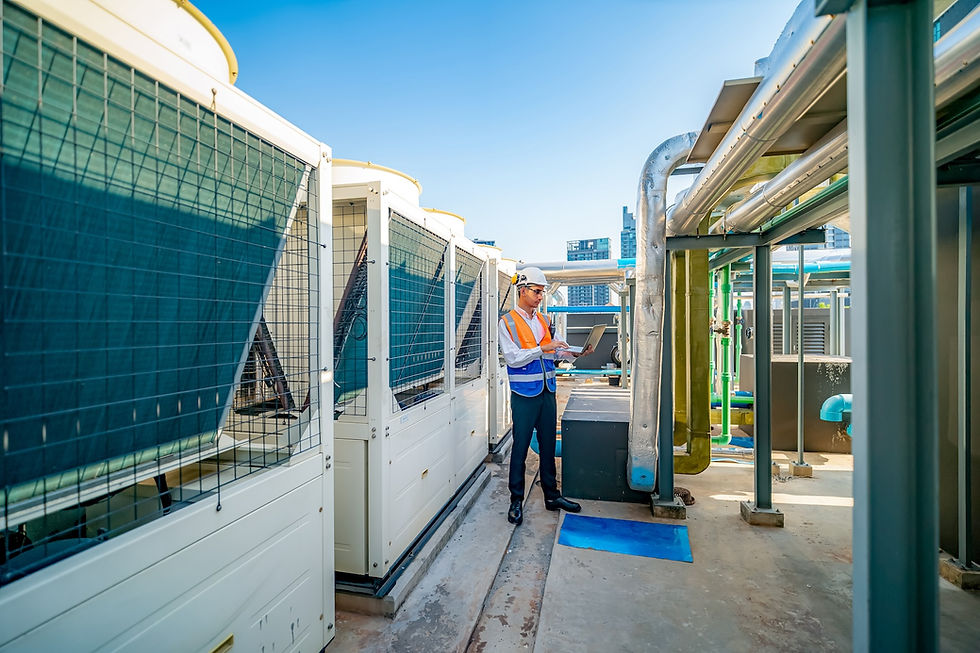
Improving Indoor Air Quality (IAQ) in government buildings is a multi-faceted endeavour. To enhance the IAQ effectively, certain actionable strategies can be implemented, to safeguard building occupants including the following:
1. Establish a Regular Maintenance Schedule:
• HVAC systems should be inspected and serviced regularly to ensure they are operating efficiently.
• Filters need to be checked and replaced according to the manufacturer's recommendations or more frequently if required.
• Ductwork should be inspected and cleaned to remove dust buildup and potential mould growth.
2. Conduct Routine IAQ Audits:
• Schedule annual or biannual audits to evaluate the building's IAQ. This includes monitoring levels of pollutants such as carbon monoxide, volatile organic compounds (VOCs), particulates, and radon.
• Use the audit results to identify problem areas and sources of pollutants.
3. Implement Employee Training Programs:
• Educate building maintenance staff on IAQ best practices.
• Inform employees about the importance of IAQ and practices they can follow to help maintain it, such as reporting water leaks promptly to prevent mould growth.
• Train staff on the proper use and storage of cleaning chemicals and supplies to prevent unnecessary exposure to harmful substances.
4. Improve Ventilation Systems:
• Increase the flow of outdoor air into the building to dilute indoor pollutants. This may involve adjusting HVAC settings or opening windows where security measures allow.
• Consider installing advanced ventilation systems, such as those with heat recovery ventilators (HRVs) or energy recovery ventilators (ERVs), that provide clean air without a significant increase in energy costs.
5. Adopt Green Cleaning Practices:
• Use environmentally friendly cleaning products to reduce the introduction of harmful chemicals into the air.
• Establish cleaning schedules that minimize the impact on the building occupants, such as performing extensive cleaning activities after hours.
6. Utilize Air Cleaning Devices:
• Deploy air purifiers with HEPA filters in areas where air quality issues are prevalent or in spaces with limited ventilation options.
• Consider the use of ultraviolet germicidal irradiation (UVGI) as a supplement to remove pathogens from the air, particularly in high-risk areas.
7. Manage Humidity and Temperature:
• Maintain indoor humidity levels between 30% and 50% to minimize the growth of mould and dust mites.
• Ensure that the temperature settings contribute to comfort while also considering the impact on air quality.
8. Enhance Source Control:
• Identify and control the sources of indoor pollution by replacing materials that emit high levels of VOCs with low-emitting alternatives.
• Ensure proper storage and disposal of hazardous materials.
9. Respond Promptly to IAQ Concerns:
• Set up a system for occupants to report IAQ concerns and respond promptly to these reports.
• Investigate and address any reported issues as quickly as possible.
10. Monitor Construction and Renovation Projects:
• Oversee construction and renovation activities closely to ensure that they do not negatively impact IAQ. This includes using low-emitting materials and isolating construction areas to prevent dust and fumes from spreading.
These strategies can help ensure that government buildings provide a healthy and productive environment for employees and visitors. It's crucial to make IAQ a key aspect of building operations and management, backed by a commitment to continuous improvement and adherence to regulatory guidelines.
Government Case Study:

The Ontario Government's investment in IAQ with Blade Air, with the installation of 16,951 Blade Air Portable HEPA Air Purifiers across 13,400,000 square feet of mixed-use space, represents a significant commitment to the health and efficiency of its facility operations.
HEPA (High-Efficiency Particulate Air) filters are known to capture at least 99.97% of airborne particles as small as 0.3 microns, including pollutants, allergens, and pathogens like viruses and bacteria. The wide-scale installation of these purifiers would likely have led to several key benefits:
1. Improved Health Outcomes:
Enhanced air filtration can reduce the presence of airborne contaminants, potentially lowering the incidence of respiratory issues, allergic reactions, and illness among employees and visitors. This could lead to fewer sick days, decreased healthcare costs, and a healthier workforce overall.
2. Increased Productivity:
Better IAQ is closely linked to increased cognitive function and productivity. By providing cleaner air, the HEPA purifiers may have contributed to a more alert and efficient workforce, improving the speed and quality of government operations and services.
3. Operational Efficiency:
Modern air purifiers, especially in such numbers, likely include smart features that allow for monitoring and adjusting settings for optimal performance without excessive energy use. This results in cost savings and supports the government's sustainability objectives.
4. Public Confidence:
Demonstrating a proactive approach to health and safety can enhance public confidence in government operations. Clean air is a tangible benefit that underscores a commitment to the well-being of both employees and the public.
5. Risk Mitigation:
With HEPA purifiers in place, the government is better equipped to mitigate the spread of infectious diseases within its buildings, a critical consideration during health crises such as the COVID-19 pandemic.
This investment by the Ontario Government in IAQ solutions from Blade Air stands as a testament to the role that smart, health-focused infrastructure plays in modern public service delivery, setting a benchmark for indoor environmental quality in government facilities.
Looking Ahead: The Future of IAQ in Public Spaces
As we look to the future, the evolution of Indoor Air Quality (IAQ) technology and regulations is poised to significantly impact public health and the environment. Here's what we can anticipate:
1. Advanced Sensor Technology:
The development and integration of advanced sensors that can detect a broader range of pollutants in real-time will likely be a trend. This could lead to more dynamic IAQ management systems that adjust conditions on the fly to maintain optimal air quality.
2. AI and Machine Learning:
AI will play a significant role in predicting IAQ trends and automating the maintenance of air quality systems. Machine learning algorithms could analyze historical IAQ data to optimize air purification and ventilation systems.
3. Smart Building Integration:
IAQ technology is expected to become more integrated into the broader ecosystem of smart building technologies, contributing to overall building efficiency and occupant health. This integration can help manage energy use while maintaining high IAQ standards.
4. Personalized IAQ Solutions:
We may see a rise in personalized IAQ monitoring devices that provide individual feedback and recommendations, allowing occupants to make informed decisions about their environment.
5. Sustainability and IAQ:
As sustainability continues to gain importance, there will be a stronger link between IAQ and green building practices. This includes using materials and construction practices that contribute to both sustainability and improved IAQ.
6. Regulatory Emphasis on Proactive Measures:
Future regulations might require buildings to take more proactive measures in monitoring and improving IAQ rather than reacting to issues as they arise. This can include mandatory IAQ audits and reporting.
7. Increased Transparency:
There may be more demand for transparency in IAQ reporting, with facilities possibly required to disclose IAQ information to the public or specific agencies regularly.
8. Role of Government:
Governments will likely lead by example, updating public buildings with the latest IAQ technologies and complying with strict IAQ regulations to set a standard for private sectors to follow. Additionally, governmental agencies may offer incentives for buildings that adopt advanced IAQ measures or exceed baseline IAQ standards.
9. Innovations in Filtration and Ventilation:
Emerging technologies like advanced photocatalytic oxidation (PCO) and next-generation HEPA filters may become standard in new builds and renovations.
10. Regulations Driving Design:
Future building designs will likely be influenced by IAQ considerations from the outset, with regulations possibly mandating IAQ-friendly designs for new construction.
The government's role will be crucial in establishing and enforcing these future trends through legislation and public policy, ensuring the health and well-being of its citizens are protected. By leading by example, the government can demonstrate the value of these advancements in public spaces, encouraging broader adoption across all sectors.
Government Building IAQ for Public Health
The quality of air within government buildings is not merely a matter of operational efficiency, but a core public health imperative. Given the extensive time individuals spend indoors, especially in public spaces, IAQ becomes a central pillar in safeguarding their health and well-being. For Blade Air, this isn't just about providing products—it's about championing a cause.
Blade Air’s unwavering commitment to elevating IAQ in government buildings leverages cutting-edge technologies not only to meet, but to set new benchmarks for what clean, sustainable indoor environments should embody.
It's time to critically evaluate and upgrade your IAQ systems, and Blade Air is your ally in this endeavour. With our expertise in advanced IAQ solutions, we offer a partnership that is backed by innovation and guided by a commitment to sustainability and health. Contact us for a consultation, and together, let's create spaces that are not just buildings, but beacons of community health and safety.


