Winter to Spring and What It Means for IAQ and Energy Efficiency
- Ava Montini

- 1 day ago
- 4 min read
The transition from winter to spring represents a notable shift in how buildings interact with their environment. While summer and winter tend to dominate operational planning, the periods in between often reveal the most about how systems perform. During this seasonal change, outdoor temperatures fluctuate widely, and HVAC equipment may operate in both heating and cooling modes within the same week. At the same time, indoor environments begin to reflect new pressures: higher humidity, increased pollen levels, and shifts in outdoor particulate matter that directly influence indoor air quality.
Unlike peak seasons, where energy demand is more predictable, the spring shoulder season creates variable conditions that highlight both strengths and weaknesses in building performance. This makes it a particularly relevant time to examine how ventilation strategies, filtration, humidity control, and monitoring systems function together.
Why the Transition Season Matters
During the winter months, most buildings are sealed tightly, which means indoor air is shaped mainly by what happens inside: CO₂ from people, plus everyday pollutants from activities and equipment.
As spring arrives, conditions change. Outdoor air becomes warmer and more humid. Pollen levels rise, and fine dust and particulates increase with thawing ground and heavier traffic. Bringing in more outdoor air during this time can help refresh indoor spaces, but it also means higher energy use to condition that air and the challenge of managing new contaminants.
Without adjustment, several common issues tend to emerge during this seasonal change:
System strain
HVAC equipment cycles on and off more often as outdoor temperatures swing, which can wear down components.
Air quality drift
Pollen and particulates are more likely to slip indoors when filters aren’t adequate or properly maintained.
Moisture buildup
Higher humidity increases the chance of mold or microbial growth in ducts and occupied spaces.
Energy waste
Ventilation systems that aren’t tuned for the season often bring in more outside air than needed, raising utility costs.
Studies highlight how noticeable these effects can be. Indoor particulate matter levels, for example, often rise in step with outdoor concentrations, particularly when filtration is insufficient (Wallace & Ott, 2023) or infiltration is poorly controlled (Allen et al., 2012). At the same time, U.S. EPA and DOE modelling shows that increasing outdoor air ventilation can raise annual HVAC energy costs by 2% to 18%, depending on climate and system strategy (EPA/DOE Project Report). Field studies also confirm that inefficiencies during “shoulder seasons” are a consistent source of lost savings across portfolios (Slipstream/DOE Field Study).
This translates into higher operating expenses, more potential tenant complaints, and added pressure on ESG performance metrics.
What to Do Now
The transition from winter to spring functions as a natural "audit" period. Variability in weather and system performance can reveal inefficiencies that may not be as visible during peak heating or cooling seasons. Paying attention during this window provides useful insight into how buildings manage air quality, comfort, and energy use.
Recommission Controls
Seasonal swings can expose hidden faults in building systems. Recalibrating temperature and humidity sensors, verifying damper performance, and clearing overrides often restores intended operation. Research from the U.S. Department of Energy shows that recommissioning efforts can reduce total building energy use by 10–15% (DOE).
Upgrade Filtration
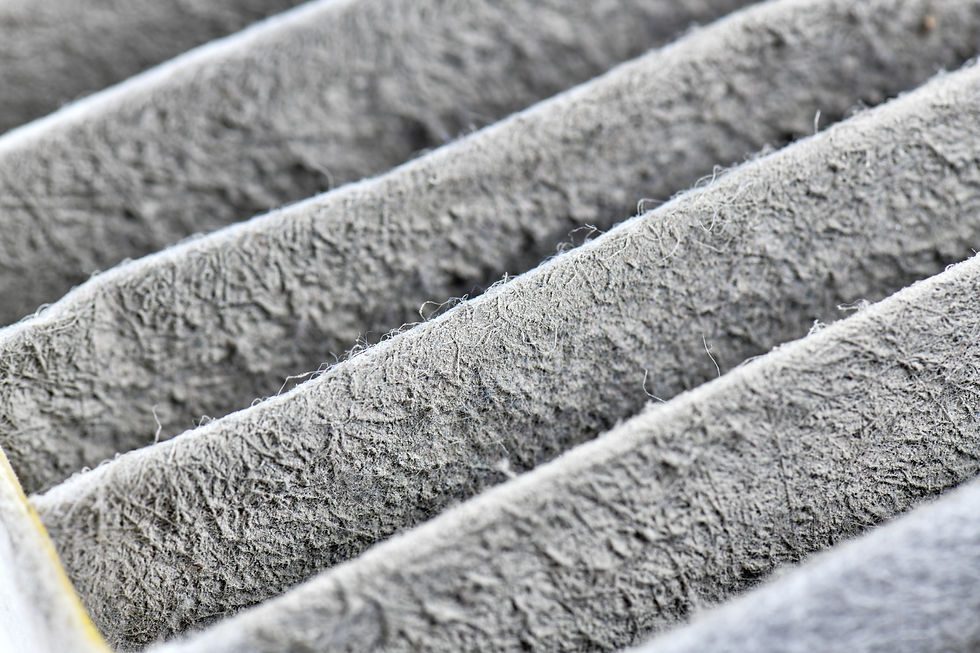
Spring introduces new airborne challenges, including pollen, mold spores, and fine dust. Higher-efficiency filters, such as MERV-13 or better, where systems allow, can significantly reduce the presence of these contaminants indoors. The U.S. Environmental Protection Agency notes that upgrading filters improves both air quality and occupant well-being, while also supporting standards such as WELL and LEED (EPA).
Optimize Ventilation Strategy
Outdoor air in spring can provide “free cooling” opportunities, but it can also carry pollutants and add to conditioning loads if not carefully managed. Economizers should be tuned for performance, and demand-controlled ventilation (DCV) should align intake with occupancy levels. Studies have shown that DCV can reduce ventilation-related energy costs by as much as 80% in certain building types (MDPI).
Manage Humidity
Relative humidity plays a major role in both comfort and health outcomes. Keeping RH in the 40–60% range reduces risks of microbial growth while maintaining comfort and limiting respiratory irritation. Spring often marks the point where humidity begins to rise, making monitoring especially important. Guidance from ASHRAE and public health research identifies this band as the optimal range for building health (ASHRAE).
Track IAQ in Real Time
Monitoring key indicators such as CO₂, PM₂.₅, and relative humidity provides a more accurate picture of performance than relying on tenant feedback alone. Real-time IAQ data supports proactive adjustments, informs ESG reporting, and strengthens communication with tenants and investors.
The Business Case
The winter-to-spring transition has direct implications for both building performance and financial outcomes. Poor indoor air quality is one of the leading drivers of tenant dissatisfaction, with a CBRE survey finding that air quality consistently ranks among the top three factors influencing retention (CBRE). At the same time, adjusting systems during the shoulder season helps reduce wasted energy and can prevent costly summer demand charges from accumulating later in the year.
The transition period also matters for ESG and investor relations. More stakeholders are expecting verifiable data that demonstrates how portfolios align air quality with energy efficiency and carbon reduction goals. Finally, the operational strain that comes with short cycling and poorly tuned systems can shorten equipment lifespan. Addressing these issues during the seasonal shift not only reduces immediate costs but also supports long-term asset longevity and capital planning.
The change from winter to spring can be a revealing period for building operations. Indoor air quality, energy use, and occupant comfort all interact differently during this time, making it a valuable checkpoint for property teams.
Recommissioning, filtration upgrades, ventilation tuning, humidity management, and real-time IAQ tracking are approaches that highlight how buildings respond to variability. Rather than viewing the season as a challenge, it can be seen as an opportunity to better understand performance and to build resilience for the year ahead.